Материал: 2507
|
|
И |
|
Д |
|
А |
|
|
б |
|
|
С |
|
|
и Pic. 124 |
|
|
45. Share your crosswords with your group mates. Are they different?
46. Complete the text with words from the box.
notes |
money |
transactions |
banking |
cheques |
cash |
loan |
credit cards |
account |
coins |
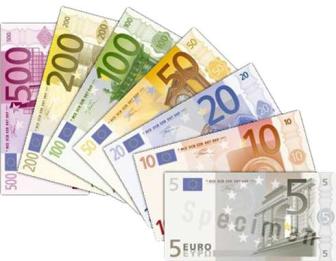
If we consider the long history of mankind, 1money hasn’t been around very long at all. The first 2…… appeared in Turkey in around the 7th century BC; and the first paper money, which is what we call 3……, appeared in China in the 14th century. The Italians invented modern 4…… and bookkeeping around the same time. Most royal heads of Europe had a 5……
246
from a Lombard banker. Until fifty years ago very few people had a personal bank 6…… . Nowadays, most of us have one to receive our salaries and write 7…… for everyday 8…… such as paying bills. In some countries, people walk round with large amounts of 9……, but in Britain and the States 10…… are more popular, and they are even used in public telephones and parking meters.
from: ProFile1
47. Match the phrasal verbs (1 – 5) in italics to their meanings (a-e).
1.Please make out your cheque to Hannah Green and associates. ……
2.It takes my bank two working days to carry out even a simple transac-
tion. ……
3.Could you fill in this form with your personal details, please. ……
4.I’d like to pay this cheque into my savings account,Иplease. ……
5.We need to take out lots of cash to pay the workmen. …….c) to remove / take away; Д
d) to complete with information; |
|
|
б |
e) to write the name of a person or business on a cheque. |
|
и |
|
48. Some key banking words areАbuilt around the verb draw. Study the |
|
words in context in the sentences (1-3), then choose the correct alterna- |
|
С |
|
tive in the sentences (a-c) below.
1. Good morning, I’d like to withdraw Є1,000 in cash from my current account, please.
2. Oh no, look at this letter from the bank. We are Є300 overdrawn. How has this happened?
3. Good news … the bank has agreed to increase the firm’s overdraft.
a)If you are overdrawn, your account is negative / positive.
b)If you have an overdraft, the bank owes you money / you owe money to the bank.
c)If you withdraw money from your account (make a withdrawal) you put money in / take money out.
247
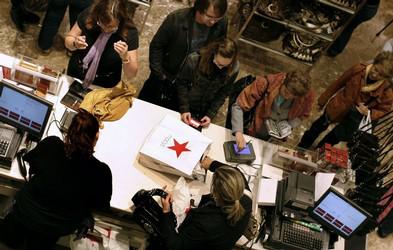
49. Read the article and match the underlined words and expressions (1 – 6) to definitions (a – f) below.
Pic. 125
Credit card inventor dies at 88
vented an early version of the modernА-dayДVisa card. The Diners Club card already existed and allowedбshoppers to make 2cash-less transactions. But the 3balance had to be paid off in full within 30 days. Some banks offered credit on their bank cards,иbut these could not be used nation-wide. Williams saw 4a gap in the market for a card that could be used across the country. He andСhis team began distributing the BankAmerica card in California. Over the next ten years the card was 5licensed by other banks, before it was finally renamed the Visa card in 1970. Now, there are an estimated 785m major credit cards in circulation in the US. The average US credit card debt carried over each month per 6household last year was nearly $9,000 (£5,500), triple the average of $3,000 (£1,800) in 1990. In Britain, the average UK household today owes more than £6,000 on credit and *store cards.
The man who millions of shoppers have to thank – or blame – for the state
of their finances has died aged |
88. In 1958, during the US post-war |
|
1 |
|
И |
|
consumer boom, American bank (pic. 125) executive Joseph Williams in- |
|
*store card = a kind of credit card which you can use to buy goods in the department store which issued it.
(from ProFile1)
a)a home;
b)paying for things without handling real money;
248

c)a missing service / product which is identified as a business opportunity;
d)a period when business is good because people are spending more;
e)the final amount owing in an account;
f)given permission to do something in return for money.
50. Complete the table about the cards which are mentioned. |
|
||
CARD |
ADVANTAGES |
DISAD- |
|
|
|
VANTAGES |
/ |
Diner’s Club (in 1958) |
|
CONDITIONS |
|
offered credit |
|
|
|
Early bank cards |
debts can build up |
|
|
BankAmerica / Visa |
|
|
|
|
|
|
|
|
|
|
|
И |
|
51. Label the timeline with key details about the evolution of the credit |
|||||||||
card, taken from the text. |
|
|
|
Д |
|
||||
1958 |
|
|
1960s |
|
|
1970 |
|
Nowadays |
|
|
|
|
Card was li- |
|
|
|
|
||
|
|
|
censed by the |
|
|
|
|
||
|
|
|
banks |
|
|
|
|
||
|
|
|
|
б |
|
|
|
||
52. Read the text below and answer the questions. |
|
||||||||
1. Which is more important to you: your time or your money? |
|||||||||
|
|
|
и |
|
|
|
|
||
2. The following daily activitiesАall take up important time. Which one |
|||||||||
would you pay someone to do? |
|
|
|
|
|||||
|
С |
|
|
walking your dog |
cleaning |
||||
supermarket shopping |
|||||||||
housework |
|
|
|
ironing |
|
cooking |
|||
Economics professor, Ian Walker, of Warwick University, has written a mathematical formula so that we can calculate how much time costs. For example, the average British minute is worth about £0.13. Brushing your teeth for three minutes uses up £0.4 in ‘lost’ time, and washing a car by hand has a cost of £4.50. The study found that the typical cost of cooking dinner (the value of time spent + the value of the ingredients) was £15.43!
from: ProFile1
249

53. Read what four people said about their time at work and answer the questions below.
|
|
И |
|
Hanako: |
Д |
Izumo: ‘I can |
|
|
|
||
‘We’ve invest- |
|
|
save a lot of |
ed a lot of |
|
|
time by using |
money in |
|
|
a new soft- |
product devel- |
|
|
ware program |
opment this |
|
|
to organize |
и |
|
|
|
year whichА |
|
my work |
|
will reduce our |
|
|
schedule.’ |
lead бtime in fu- |
|
|
Lukas: ‘We |
ture.’ |
|
|
|
Dario: ‘I waste |
|
|
|
too much time |
|
|
have to meet |
in the car. I |
|
|
two or three |
spend about |
|
|
urgent dead- |
two hours a |
|
|
lines nearly |
day getting to |
|
|
every week |
the office and |
|
|
or there is |
back. By the |
|
|
trouble.’ |
time I get |
|
|
|
home I’m real- |
|
|
|
ly tired.’ |
|
|
|
Who: |
|
1) |
must finish hisС/ her work on time? ……; |
2) has found a way to do something more quickly? ……; |
|
3) |
has spent time and money on improving the business? ……; |
4) |
thinks he / she uses his / her time badly? …… . |
54. Match the words on the left with those on the right.
have |
an urgent deadline |
waste / save |
a busy lifestyle |
meet |
new machinery / technology |
invest in |
time or money |
250