Материал: 2507
24. Use these phrases to make sentences with the information you found in ex. 23.
You should… |
You shouldn’t… |
Always… |
Never… |
It’s OK to… |
It’s not OK to… |
It’s a good idea to… |
It’s not a good idea to… |
It’s important to… |
It’s important not to… |
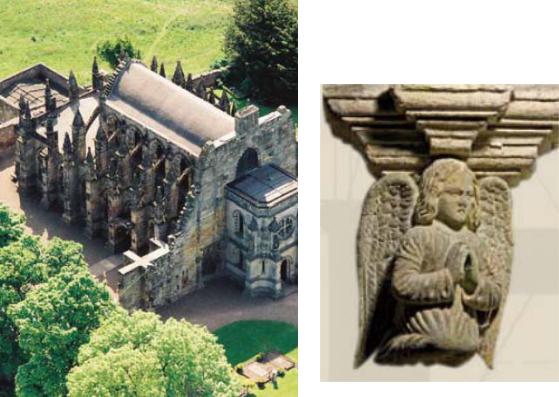
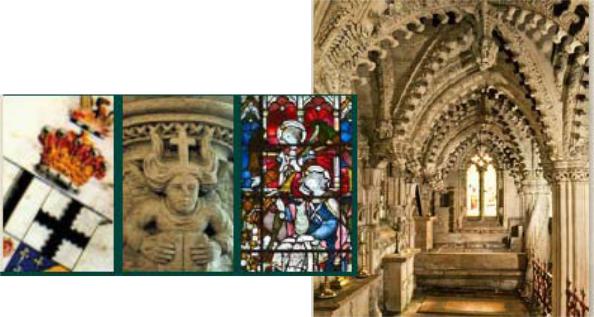
25. Look at the words in the box. How are they related to the heading in ex. 26? Use the words to describe the pictures (pic. 72 – 75).
A small chapel; the Knights Templar; to intrigue the world; immensely
rich; black magic; legend; fabled treasure; mysterious artefacts; ornate |
||||
pillars; the Holy Grail; investigation; excavation; religious traditions. |
||||
|
|
|
|
И |
|
|
|
Д |
|
|
|
А |
|
|
|
б |
|
|
|
и |
|
|
|
|
С |
|
|
|
|
Pic. 72 |
|
|
|
Pic. 73 |
181
|
Pic. 74 |
|
И |
|
|
|
|
Pic. 75 |
|
26. Read the text to find out: |
|
|
||
1. |
Rosslyn Chapel used to be one of the most quietly mysterious places in |
|||
Britain. What or who made it very popular? |
|
|
||
2. |
Who were the Templars? |
|
|
|
|
|
б |
|
|
3. |
Where did they take up residence? Why?Д |
|
||
4. |
Why did they build Rosslyn Chapel? |
|
|
|
5. |
Why did the Papacy have no powerАin Scotland? |
|
||
6. |
Why did the Government refuse to open the vaults of Rosslyn Chapel? |
|||
|
С |
|
|
|
Rosslyn Chapel и
Rosslyn Chapel near Edinburgh, has long been one most quietly mysterious places. The Da Vinci Code novel and film have recently brought it an unaccustomed celebrity. But why does a small chapel continue to intrigue the world hundreds of years after it was first constructed, and what is the real history behind the fiction?
The Legends of Rosslyn
Rosslyn Chapel is a place wreathed in legend and most of the legends are associated with the Knights Templar. The Templars were a crusading order, a band of warrior monks who were pledged to protect Christian pilgrims travelling to the Middle East. Their cause was a popular one. Wealthy people often left money or land to the Templars in their wills and, over time, the order became immensely rich; so rich in fact that even kings
182
began to resent and fear the Templars. The French king, Philip IV, who had de facto control of the Papacy, in 1312, persuaded his puppet on the papal throne to issue an edict accusing the Templars of practising black magic, dissolving the order and confiscating its wealth.
According to legend, the Templars then fled to Scotland and took up residence there. Why Scotland? Well, Scotland’s King Robert the Bruce had once murdered one of his rivals in a church and, as a consequence, had been excommunicated. Scotland was therefore one of the few places in Europe where the writ of the Papacy did not run. The founder of the Templar order, Hugo de Payns, had also been married to Catherine de St Clair of Roslin so the order had historical connections to Scotland. According to the legend, the Templars then put down roots in their new country.
Having accumulated a vast store of occult knowledge in the East where they had been exposed to a variety of mysticalИtraditions, they chose to embody it in the carvings of Rosslyn Chapel when construction began on it in 1446, perhaps even burying their fabledДtreasure within its vaults - which some say included the Holy Grail itself. Rumours of mysterious artefacts, either contained within secret vaults beneath the chapel, or embedded within the Apprentice Pillar, oneАof the most ornate pillars in the building, have circulated for a long time. These hidden treasures have been said to include the Holy Grail, бthe mummified head of Jesus, and documents from the early period of the Christian faith.
A descendant of the St.иClair family was the first Grand Master of the Order of Freemasons in Scotland. This has given rise to the belief that Freemasonry had itsСroots in Templar tradition.
The Truth Behind the Legend
How much truth is there in the legend? Some historians dispute the claims of a connection between the Templars and Rosslyn Chapel. They contend that Sir William St Clair, far from being a member of the Templars, was in fact opposed to them, having given evidence against them at a trial.
The buried treasure question remains unanswered. Some have called for the vaults to be opened so it can be settled once and for all. According to tradition, male members of the St Clair family were buried there without coffins, in their full knightly regalia. A few voices have even been heard, calling for the Apprentice Pillar to be cracked open to see whether there is anything inside.
The Rosslyn Chapel Trust will have none of this, however. Nor is Historic Scotland, the government agency whose responsibilities include safeguard-
183

ing historic buildings, likely to look favourably on such proposals. There would even be legal barriers to such a course of action. Since Rosslyn chapel is a burial site, the legal Right of Sepulchre would apply, and a series of complex legal procedures would have to be gone through before excavation could take place. A non-invasive seismic survey, undertaken in the 1980s, did reveal metal objects contained within the vaults, but proposals for further scans met a chorus of opposition in 2003 and no further investigation seems likely to take place in the near future.
Conclusion
Whatever the truth of some of the more extravagant claims made about Rosslyn Chapel, there is no doubt that the rich visual imagery of its carvings, with symbols from a variety of religious traditions, will continue to
1.Rosslyn Chapel is not far fromАLondon.ДИ
2.The Templars were very poor.
3.The Papacy persuadedбPhilip IV to confiscate the wealth of the Tem-
plars.
4.The ApprenticeиPillar was a burial site of the Scottish Kings.
5.According to the last investigation the vaults of Rosslyn Chapel are
empty. С1446
The Collegiate chapel of St. Matthew is founded by Sir William St. Clair
Rosslyn Chapel is seized during the Reformation
1571
1592
184
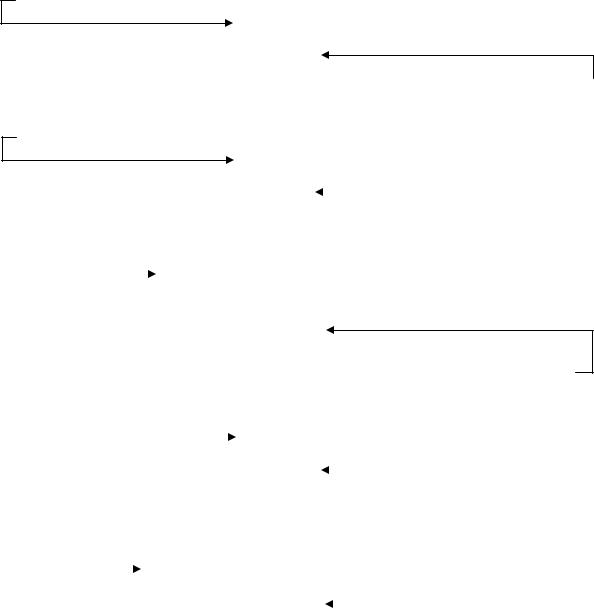
The altars are destroyed, the chapel ceases to be used and falls into disrepair
Cromwell’s troops stable their horses in Rosslyn Chapel
1650
1803
Dorothy Wordsworth visits and pronounces the chapel exquisitely beautiful
The Chapel is rededicated and Sunday services begin again
1862
1881 |
|
|
|
|
|
||
|
|
|
|
|
|||
Francis Robert, 4th Earl of Rosslyn, adds the Chapel’s baptistery |
|
|
|||||
|
|
||||||
|
|
|
|
|
И |
||
|
The interior carvings are coated in a cement wash unwittingly causing |
||||||
|
|
|
trapped in the stone |
Д |
|||
|
moisture to become |
|
|
|
|
||
1950s
1995
The Rosslyn Chapel trust is formed to care for the Chapel and oversee its conservation
|
|
|
|
protective canopy is erected to help dry out the stonework |
||||||||
|
|
A |
||||||||||
|
|
|
|
|
|
|
А |
|||||
1997 |
|
|
|
|
|
|
|
|
||||
2007 |
|
|
|
|
|
|
|
|
||||
|
|
|
|
|
|
|
|
|||||
The Heritage Lottery Fund бand Historic Scotland award a provisional grant |
||||||||||||
of £7.5 million towards conserving the Chapel. |
|
|
||||||||||
|
|
|||||||||||
|
|
|
|
|
|
и |
|
|
|
|
|
|
|
|
|
Work begins to conserve the Chapel |
|||||||||
|
|
|
||||||||||
|
|
|
|
|
|
|
|
|
|
|||
2009 |
С |
|
|
|
|
|
||||||
date |
|
|
|
|
|
|||||||
|
|
|
|
|
||||||||
|
|
|
|
|
|
|
|
|||||
As Rosslyn Chapel undergoes a £7.5 million conservation and site improvement project, this is one of the most exciting times to visit the Chapel.
Whilst there will inevitably be some disruption, you will be able to witness firsthand world-class professionals conserving and protecting this most intriguing of medieval structures. As well as the work to the Chapel, we are creating new visitor facilities which are due to open in summer 2010. Until then you can enjoy the exhibition, film and shop in our temporary visitor centre. Our experienced guides will also take you on a guided
185