Материал: 2507
Pic. 190
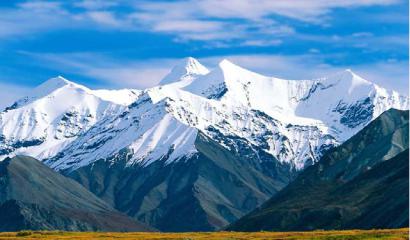
Mountain ranges are found along the southern borders, such as the Caucasus (containing Mount Elbrus, Russia's andИEurope's highest point at
5,642 m / 18,511 ft) and the Altai, and in the eastern parts, such as the Verkhoyansk Range or the volcanoes onДKamchatka. The Ural Mountains
form a north-south range that divides Europe and Asia, rich in mineral resources. Russia possesses 10% of the world's arable land.
Russia has thousands of riversАand inland bodies of water, providing
it with one of the world's largest surface water resources. The largest and most prominent of Russia'sбbodies of fresh water is Lake Baikal, the
world's deepest, purest, most ancient and most capacious freshwater lake. Other major lakes includeиLake Ladoga and Lake Onega, two largest lakes
in Europe. Of Russia's 100,000 rivers, The Volga is the most famous – not only because itСis the longest river in Europe but also because of its major
role in Russian history. Europe's biggest river, the Volga, flows into the Caspian Sea. The main Siberian rivers (the Ob, the Yenisei and the Lena) flow from the south to the north. The Amur in the Far East flows into the Pacific Ocean.
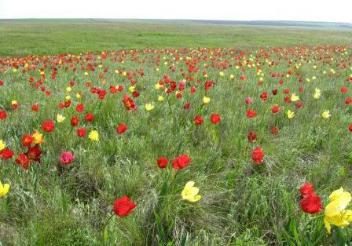
On the vast territory of the country there are various types of climate. It ranges from the Arctic north to the generally temperate south. In the middle of the country the climate is temperate and continental.
11. Work in pairs. Ask your partner the following questions to complete the table below.
1)Where is the Russian Federation situated?
2)What oceans is our country washed by?
3)Can you name any seas, which Russia is washed by?
4)What is the total area of the country?
319