Материал: 2507
Economy
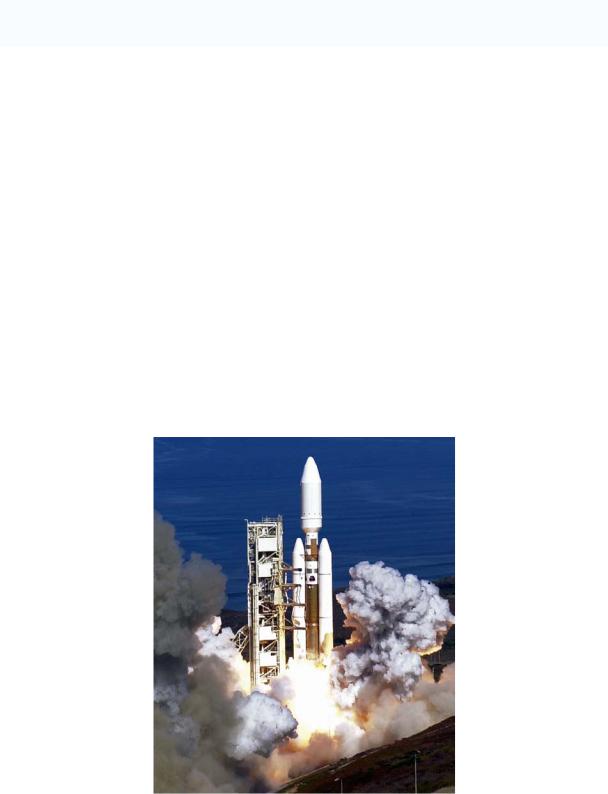
Since the turn of the century, rising oil prices, increased foreign investment, higher domestic consumption and greater political stability have bolstered economic growth in Russia (pic. 194 - 195). In 2007, Russia's GDP was $2.076 trillion (est. PPP), the 6th largest in the world, with GDP growing 8.1% from the previous year. Growth was primarily driven by non-traded services and goods for the domestic market, as opposed to oil or mineral extraction and exports. The average salary in Russia was $640 per month in early 2008, up from $80 in 2000. Approximately 14% of Russians lived below the national poverty line in 2007, significantly down from 40% in 1998 at the worst of the post-Soviet collapse. Unemployment in Russia was at 6% in 2007, down from about
12.4% in 1999. |
|
|
|
|
И |
|
|
|
|
|
|
|
|
|
|
Д |
|
|
|
|
А |
|
|
|
|
б |
|
|
|
|
и |
Pic. 194 |
|
||
|
|
|
|
||
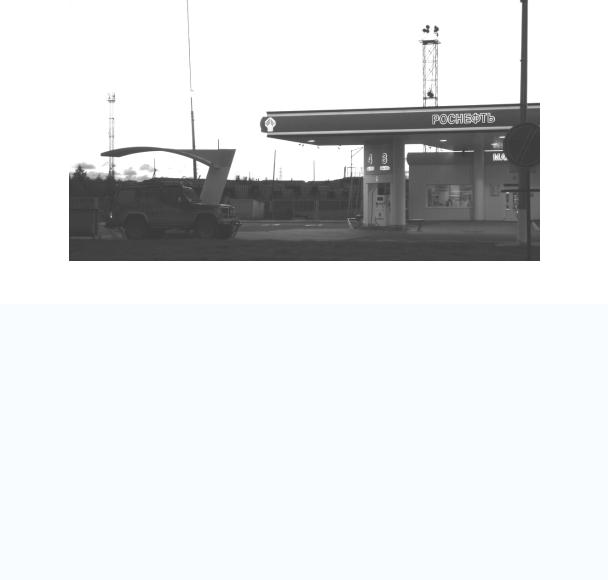
Russia has the world's largest natural gas reserves, the second largest |
|||||
|
С |
|
|
|
|
coal reserves and the eighth largest oil reserves. It is the world's leading natural gas exporter and the second leading oil exporter. Oil, natural gas, metals, and timber account for more than 80% of Russian exports abroad. Since 2003, however, exports of natural resources started decreasing in economic importance as the internal market strengthened considerably. Despite higher energy prices, oil and gas only contribute to 5.7% of Russia's GDP and the government predicts this will drop to 3.7% by 2011. The state-run gas monopoly Gazprom is the world’s largest producer and exporter, and supplies a growing share of Europe’s needs. Russia is also considered well ahead of most other resource-rich countries in its economic development, with a long tradition of education, science, and
326