Материал: part07

Page 106 |
DICOM PS3.7 2020a - Message Exchange |
D.1.2 Meta Service-Object Pair Group UID
Each Service Class Definition may optionally define one or more Meta Service-Object Pair Classes each being identified by a Meta SOP Class UID. Each Meta SOP Class represents the union of a set of SOP Classes defined in the Service Class.
By setting the Abstract Syntax Name to a specific Meta SOP Class UID value, DICOM Application Entities may negotiate Service Class operations and/or notifications for a set of defined SOP Classes using a single Abstract Syntax. Figure D.1-2 depicts this.
Service Class a |
|
|
|
|
Service Class b |
|
|
|
|
|
|
||||
SOP CLASS 1 |
SOP CLASS 2 |
|
META SOP CLASS c |
|
|
|
SOP CLASS 5 |
||||||||
Identified by SOP Class UID 1 |
Identified by SOP Class UID 2 |
|
Identified by SOP Class UID c |
|
|
|
Identified by SOP Class UID 5 |
||||||||
|
DSG 1 |
|
DSG 2 |
|
SOP CLASS 3 |
SOP CLASS 4 |
|
DSG 5 |
|||||||
|
OPERATION X |
|
|
OPERATION Z |
|
|
Identified by SOP Class UID 3 |
Identified by SOP Class UID 4 |
|
OPERATION W |
|
||||
|
|
|
|
|
|
|
|
|
|
|
|
|
|||
|
OPERATION Y |
|
|
|
|
|
|
DSG 3 |
|
DSG 4 |
|
OPERATION X |
|
||
|
+ |
|
|||||||||||||
|
|
|
|
|
|
|
|
OPERATION W |
|
|
OPERATION V |
|
|
+ |
|
+ |
|
IOD A |
|
||||||||||||
|
IOD A |
|
|
|
|
|
OPERATION X |
|
|
+ |
|
|
IOD B |
|
|
|
|
|
|||||||||||||
|
|
|
|
|
|
|
|
|
|
|
|
|
|
|
|
+IOD A
IOD A
|
|
|
|
|
SOP CLASS UID 1 |
SOP CLASS UID 2 |
META SOP |
CLASS UID C |
SOP CLASS UID 5 |
|
|
|
|
|
Abstract Syntax |
Abstract Syntax |
Abstract Syntax |
Abstract Syntax |
|
Name 1 |
Name 2 |
Name C |
Name 5 |
|
Figure D.1-2. SOP Class UIDs and Meta SOP Class UIDs and Abstract Syntax Names
D.2 Transfer Syntaxes
Transfer Syntaxes define a set of encoding rules used to unambiguously represent one or more Abstract Syntaxes. It allows commu- nicating DICOM AEs to negotiate the encoding techniques they are able to support (e.g., byte ordering, compression, etc.).
D.3 Association Establishment
Association establishment is used to negotiate the type of data to be exchanged and how the data will be encoded. DICOM AEs es- tablish Associations by using the ACSE A-ASSOCIATE Service as defined by Part 8 of the DICOM Standard. Three key parameters conveyed in the A-ASSOCIATE Service are the Application Context, Presentation Context, and the User Information Items. The fol- lowing section discusses these negotiation parameters.
Note: The A-ASSOCIATE Service is performed only once at Association established time. The examples shown in this Section sep- arate the negotiation parameters for clarification purposes only. Readers should remember that only one A-ASSOCIATE request is offered for each Association and it contains all of the negotiation parameters.
D.3.1 Application Context
An Application Context explicitly defines the set of Application Service Elements, related options and any other information necessary for the inter-working of DICOM AEs on an Association.
The Application Context provides the highest level of negotiation, therefore, a very high level definition. Only one Application Context shall be offered per Association. DICOM specifies a single Application Context Name that defines the DICOM Application Context (applicable for this Standard and potentially later versions).
Note
For complete specification see Annex A.
D.3.2 Presentation Contexts Negotiation
A Presentation Context defines the presentation of the data on an Association. It provides a lower level of negotiation and one or more Presentation Contexts can be offered and accepted per Association.
- Standard -

DICOM PS3.7 2020a - Message Exchange |
Page 107 |
A Presentation Context consists of three components, a Presentation Context ID, an Abstract Syntax Name, and a list of one or more
Transfer Syntax Names.
Only one Abstract Syntax shall be offered per Presentation Context. However, multiple Transfer Syntaxes may be offered per Presentation Context, but only one shall be accepted.
For each SOP Class or Meta SOP Class a Presentation Context must be negotiated such that this Presentation Context supports the associated Abstract Syntax and a suitable Transfer Syntax. Presentation Contexts will be identified within the scope of a specific Association by a Presentation Context ID.
Figure D.3-1 provides an illustration of Presentation Context Negotiation with the key points as follows:
a.the Association-requester may offer multiple Presentation Contexts per Association.
b.each Presentation Context supports one Abstract Syntax (related to a SOP Class or Meta SOP Class) and one or more Transfer Syntaxes.
c.the Association-acceptor may accept or reject each Presentation Context individually.
d.the Association-acceptor selects a suitable Transfer Syntax for each Presentation Context accepted.
DICOM AE “A”
|
|
|
|
|
|
|
Pres. Cont |
Abs. Syn. Name for |
Trans. Syn. Name |
Trans. Syn. Name |
|
|
ID (1) |
Storage MR SOP |
for Little Endian |
for Big Endian |
|
|
|
|
|
|
|
|
|
|
|
|
|
|
Pres. Cont |
Abs. Syn. Name for |
Trans. Syn. Name |
Trans. Syn. Name |
|
|
ID (3) |
Storage CT SOP |
for Little Endian |
for Compress. |
|
|
|
|
|
|
|
|
|
|
|
|
|
|
Pres. Cont |
Abs. Syn. Name for |
Trans. Syn. Name for |
|
|
|
ID (5) |
Basic Print Meta SOP |
Little Endian |
|
|
|
|
|
|
|
|
|
|
|
|
|
|
|
Pres. Cont |
Abs. Syn. Name for |
Trans. Syn. Name for |
|
|
|
ID (7) |
Detached Study Mg. SOP |
Little Endian |
|
|
|
|
|
|
|
|
|
|
|
|
|
|
|
Pres. Cont |
Abs. Syn. Name for |
Trans. Syn. Name |
|
|
|
ID (9) |
Query SOP |
for Little Endian |
|
|
|
|
|
|
|
|
|
|
|
|
|
|
|
|
|
|
A-ASSOCIATE-Request |
|
A-ASSOCIATE-Response |
|||||
|
|
|
|
|
|||||||
DICOM AE “B” |
|
( A |
|
B) |
|
(B |
|
A) |
|||
|
|
|
|
||||||||
|
|
|
|
|
|
|
|
|
|||
|
|
|
|
|
|
|
|
|
|||
|
|
|
|
|
|
|
|
|
|
|
|
|
|
|
|
|
|
|
|
|
|
|
|
|
Pres. Cont |
|
Accept |
|
Trans. Syn. Name |
|
|
|
|
|
|
|
ID (1) |
|
|
for Little Endian |
|
|
|
|
|
||
|
|
|
|
|
|
|
|
|
|
||
|
|
|
|
|
|
|
|
|
|
|
|
|
|
|
|
|
|
|
|
|
|
|
|
|
Pres. Cont |
|
Accept |
|
Trans. Syn. Name |
|
|
|
|
|
|
|
ID (3) |
|
|
for Compress. |
|
|
|
|
|
||
|
|
|
|
|
|
|
|
|
|
||
|
|
|
|
|
|
|
|
|
|
|
|
|
|
|
|
|
|
|
|
|
|
|
|
|
Pres. Cont |
|
Reject |
|
|
|
|
|
|
|
|
|
ID (5) |
|
|
|
|
|
|
|
|
||
|
|
|
|
|
|
|
|
|
|
|
|
|
|
|
|
|
|
|
|
|
|
|
|
|
|
|
|
|
|
|
|
|
|
|
|
|
Pres. Cont |
|
Reject |
|
|
|
|
|
|
|
|
|
ID (7) |
|
|
|
|
|
|
|
|
||
|
|
|
|
|
|
|
|
|
|
|
|
|
|
|
|
|
|
|
|
|
|
|
|
|
|
|
|
|
|
|
|
|
|
|
|
|
Pres. Cont |
|
Accept |
|
Trans. Syn. Name |
|
|
|
|
|
|
|
ID (9) |
|
|
for Little Endian |
|
|
|
|
|
||
|
|
|
|
|
|
|
|
|
|
||
|
|
|
|
|
|
|
|
|
|
|
|
|
|
|
|
|
|
|
|
|
|
|
|
Figure D.3-1. Presentation Contexts Negotiation
D.3.3 DICOM Application Association Information
Peer DICOM AEs negotiate, at Association establishment, a number of features related to the DIMSE protocol by using the ACSE User Information Item of the A-ASSOCIATE request. This Section discusses these features.
When the Association is established between peer DIMSE Service Users the Kernel Functional Unit shall be assumed; therefore, the Kernel Functional Unit shall not be included in the A-ASSOCIATE User Information item.
- Standard -

Page 108 |
DICOM PS3.7 2020a - Message Exchange |
D.3.3.1 Maximum Length Application PDU Notification
The Maximum Length notification allows communicating AEs to limit the size of the data for each P-DATA indication. Each DICOM AE defines the maximum PDU size it can receive on this Association. Therefore, different maximum lengths can be specified for each direction of data flow on an Association. This notification is required. Figure D.3-2 illustrates the Maximum Length notification.
Note
For complete specification see PS3.8.
DICOM AE “A”
|
|
|
|
|
Max. Length Sub-Item |
Max. PDU Length Receive |
|
|
(51H) |
(4096) |
|
|
|
|
|
|
|
|
|
|
|
|
A-ASSOCIATE-Request |
|
A-ASSOCIATE-Response |
||||||||
|
|
|
|
||||||||||
DICOM AE “B” |
|
( A |
|
|
B) |
|
|
|
(B |
|
A) |
||
|
|
|
|
|
|
||||||||
|
|
|
|
|
|
|
|
|
|
|
|
||
|
|
|
|
|
|
|
|
|
|||||
|
|
|
|
|
|
|
|
|
|
|
|
|
|
|
Max. Length Sub-Item |
|
Max. PDU Length Receive |
|
|
|
|
||||||
|
|
|
(51H) |
|
|
(16384) |
|
|
|
|
|
||
|
|
|
|
|
|
|
|
|
|
|
|
|
|
|
|
|
|
|
|
|
|
|
|
|
|
|
|
Figure D.3-2. Maximum Length PDU Negotiation
D.3.3.2 Implementation Identification Notification
The implementation identification notification allows implementations of communicating AEs to identify each other at Association es- tablishmenttime.Itisintendedtoproviderespective(eachnetworknodeknowstheother'simplementationidentity)andnon-ambiguous identification in the event of communication problems encountered between two nodes. This negotiation is required.
Implementation identification relies on two pieces of information:
•Implementation Class UID (required)
•Implementation Version Name (optional)
The Implementation Class UID identifies in a unique manner a specific class of implementation. Each node claiming conformance to this Standard shall be assigned an Implementation Class UID to distinguish its implementation environment from others. Such Imple- mentation Class UIDs shall be registered by the implementing organization per the policies defined in PS3.5. This Standard does not specify the policies associated with assigning such a UID.
Different equipment of the same type or product line (but having different serial numbers) shall use the same Implementation Class UID if they share the same implementation environment (i.e., software).
ThenotificationbyAssociationrequestorsandacceptorsoftheirrespectiveImplementationClassUIDisrequiredforallimplementations conforming to this Standard. Figure D.3-3 illustrates the Implementation Class UID notification.
- Standard -
DICOM PS3.7 2020a - Message Exchange |
Page 109 |
||||||||||||||
DICOM AE “A” |
|
|
|
|
|
|
|
|
|
|
|||||
|
|
|
|
|
|
|
|
|
|
|
|
|
|
|
|
|
|
|
|
|
|
|
|
|
|
|
|
|
|
|
|
|
|
|
Imp. UID Sub-Item |
|
|
Imp. UID for DICOM AE |
|
|
|
|
|
||||
|
|
|
(52H) |
|
|
|
“A” |
|
|
|
|
|
|||
|
|
|
|
|
|
|
|
|
|
|
|
|
|||
|
|
|
|
|
|
|
|
|
|
|
|
|
|
|
|
|
|
|
A-ASSOCIATE-Request |
|
A-ASSOCIATE-Response |
|
|||||||||
|
|
|
|
|
|||||||||||
DICOM AE “B” |
|
( A |
|
|
B) |
|
|
|
|
(B |
|
A) |
|
||
|
|
|
|
|
|
|
|
||||||||
|
|
|
|
|
|
|
|
|
|
|
|
|
|
||
|
|
|
|
|
|
|
|
|
|
|
|||||
|
|
|
|
|
|
|
|
|
|
|
|
|
|
||
|
|
|
Imp. UID Sub-Item |
|
|
Imp. UID for DICOM AE |
|
|
|
|
|
||||
|
|
|
(52H) |
|
|
|
“B” |
|
|
|
|
|
|||
|
|
|
|
|
|
|
|
|
|
|
|
|
|
|
|
|
|
|
|
|
|
|
|
|
|
|
|
|
|
|
|
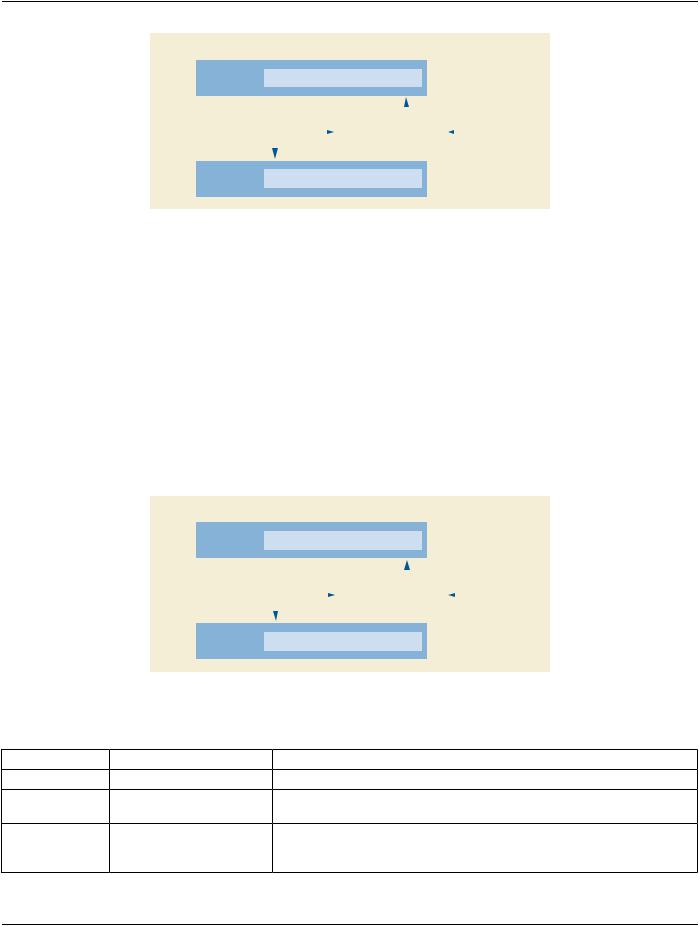
Figure D.3-3. Implementation Class UID Notification
In addition to the Implementation Class UID, an option is provided to convey an Implementation Version Name of up to 16 characters. Figure D.3-4 illustrates the Implementation Version Name notification. This Standard does not specify the structure and policies as- sociated with such an Implementation Version Name. The absence of the Implementation Version Name requires that the use of the same Implementation Class UID by two nodes guarantees that these use the same version of implementation.
Note
As the UID shall not be parsed (their structure is not intended to convey any semantic significance beyond uniqueness), this optionalImplementationVersionNameprovidesanadequatemechanismtodistinguishtwoversionsofthesameimplement- ation (same Implementation Class UID).
D.3.3.2.1 Implementation Class UID Sub-Item Structure (A-ASSOCIATE-RQ)
The Implementation Class UID Sub-Item shall be made of a sequence of mandatory fixed length fields followed by a variable field. Only one Implementation Class UID Sub-Item shall be present in the User Data Item of the A-ASSOCIATE-RQ. Table D.3-1 shows the sequence of the mandatory fields.
DICOM AE “A”
|
|
|
|
|
Imp. Ver. Name Sub-Item |
Ver. Name for DICOM AE |
|
|
(55H) |
“A” |
|
|
|
|
|
|
|
|
|
|
|
|
A-ASSOCIATE-Request |
|
A-ASSOCIATE-Response |
|||||||
|
|
|
|
|||||||||
DICOM AE “B” |
|
( A |
|
B) |
|
|
|
(B |
|
A) |
||
|
|
|
|
|
|
|||||||
|
|
|
|
|
|
|
|
|
|
|
||
|
|
|
|
|
|
|
|
|
|
|||
|
|
|
|
|
|
|
|
|
|
|
|
|
|
|
|
|
|
|
|
|
|
|
|
||
|
Imp. Ver. Name Sub-Item |
Ver. Name for DICOM AE |
|
|
|
|
||||||
|
|
|
(55H) |
|
|
|
“B” |
|
|
|
|
|
|
|
|
|
|
|
|
|
|
|
|
|
|
|
|
|
|
|
|
|
|
|
|
|
|
|
Figure D.3-4. Implementation Version Name Notification
Table D.3-1. Implementation Class UID Sub-Item Fields (A-ASSOCIATE-RQ)
Item Bytes |
Field Name |
Description of Field |
1 |
Item-type |
52H |
2 |
Reserved |
This reserved field shall be sent with a value 00H but not tested to this value |
|
|
when received. |
3 - 4 |
Item-length |
This Item-length shall be the number of bytes from the first byte of the following |
|
|
field to the last byte of the Implementation-class-uid field. It shall be encoded as |
|
|
an unsigned binary number. |
- Standard -

Page 110 |
DICOM PS3.7 2020a - Message Exchange |
|
Item Bytes |
Field Name |
Description of Field |
5 - xxx |
Implementation-class-uid |
This variable field shall contain the Implementation-class-uid of the |
|
|
Association-requesterasdefinedinSectionD.3.3.2.TheImplementation-class-uid |
|
|
field is structured as a UID as defined in PS3.5. |
D.3.3.2.2 Implementation Class UID Sub-Item Structure (A-ASSOCIATE-AC)
The Implementation Class UID Sub-Item shall be made of a sequence of mandatory fixed length fields followed by a variable field. Only one Implementation Class UID Sub-Item shall be present in the User Data Item of the A-ASSOCIATE-AC. Table D.3-2 shows the sequence of the mandatory fields.
Table D.3-2. Implementation UID Sub-Item Fields (A-ASSOCIATE-AC)
Item Bytes |
Field Name |
Description of Field |
1 |
Item-type |
52H |
2 |
Reserved |
This reserved field shall be sent with a value 00H but not tested to this value |
|
|
when received. |
3 - 4 |
Item-length |
This Item-length shall be the number of bytes from the first byte of the following |
|
|
field to the last byte of the Implementation-class-uid field. It shall be encoded as |
|
|
an unsigned binary number. |
5 - xxx |
Implementation-class-uid |
This variable field shall contain the Implementation-class-uid of the |
|
|
Association-acceptorasdefinedinSectionD.3.3.2.TheImplementation-class-uid |
|
|
field is structured as a UID as defined in PS3.5. |
D.3.3.2.3 Implementation Version Name Structure (A-ASSOCIATE-RQ)
The Implementation Version Name Sub-Item shall be made of a sequence of mandatory fixed length fields followed by a variable field. Only one Implementation Version Name Sub-Item shall be present in the User Data Item of the A-ASSOCIATE-RQ. Table D.3- 3 shows the sequence of the mandatory fields.
Table D.3-3. Implementation Version Name Sub-Item Fields (A-ASSOCIATE-RQ)
Item Bytes |
Field Name |
Description of Field |
1 |
Item-type |
55H |
2 |
Reserved |
This reserved field shall be sent with a value 00H but not tested to this value |
|
|
when received. |
3 - 4 |
Item-length |
This Item-length shall be the number of bytes from the first byte of the following |
|
|
fieldtothelastbyteoftheImplementation-version-namefield.Itshallbeencoded |
|
|
as an unsigned binary number. |
5 - xxx |
Implementation-version-nameThis variable field shall contain the Implementation-version-name of the |
|
|
|
Association-requester as defined in Section D.3.3.2. It shall be encoded as a |
|
|
string of 1 to 16 ISO 646:1990 (basic G0 set) characters. |
D.3.3.2.4 Implementation Version Name Structure (A-ASSOCIATE-AC)
The Implementation Version Name Sub-Item shall be made of a sequence of mandatory fixed length fields followed by a variable field. Only one Implementation Version Name Sub-Item shall be present in the User Data Item of the A-ASSOCIATE-AC. Table D.3- 4 shows the sequence of the mandatory fields.
Table D.3-4. Implementation Version Name Sub-Item Fields (A-ASSOCIATE-AC)
Item Bytes |
Field Name |
Description of Field |
1 |
Item-type |
55H |
- Standard -