Материал: part07

|
|
DICOM PS3.7 2020a - Message Exchange |
Page 111 |
Item Bytes |
Field Name |
Description of Field |
|
2 |
Reserved |
This reserved field shall be sent with a value 00H but not tested to this value |
|
|
|
when received. |
|
3 - 4 |
Item-length |
This Item-length shall be the number of bytes from the first byte of the following |
|
|
|
fieldtothelastbyteoftheImplementation-version-namefield.Itshallbeencoded |
|
|
|
as an unsigned binary number. |
|
5 - xxx |
Implementation-version-nameThis variable field shall contain the Implementation-version-name of the |
||
|
|
Association-acceptor as defined in Section D.3.3.2. It shall be encoded as a |
|
|
|
string of 1 to 16 ISO 646:1990 (basic G0 set) characters. |
|
D.3.3.3 Asynchronous Operations (And Sub-Operations) Window Negotiation
The Asynchronous Operations Window is used to negotiate the maximum number of outstanding operation or sub-operation requests (i.e., command requests) for each direction. The synchronous operations mode is the default mode and shall be supported by all DICOM AEs. This negotiation is optional.
The Association-requester conveys in the A-ASSOCIATE request:
•when negotiating the SCU role for operations, the maximum number of outstanding operations it may invoke asynchronously; when negotiating the SCP role for operations, the maximum number of outstanding sub-operations it may invoke asynchronously; when negotiating the SCP role for notifications, the maximum number of notifications it may invoke asynchronously
•when negotiating the SCP role for operations, the maximum number of outstanding operations it may invoke asynchronously; when negotiating the SCU role for operations, the maximum number of outstanding sub-operations it may perform asynchronously; when negotiating the SCU role for notifications, the maximum number of notifications it may perform asynchronously when negotiating the SCP role
A value of zero indicates that the above parameters are unlimited. A value of one indicates that there is no Asynchronous Operations support. If the Asynchronous Operations Window is absent the default for the above parameters shall be equal to one.
The Association-acceptor conveys in the A-ASSOCIATE response:
•when negotiating the SCP role for operations, the maximum number of outstanding operations; when negotiating the SCU role for operations,themaximumnumberofsub-operationsitallowstheAssociation-requestertoinvokeasynchronously;whennegotiating the SCU role for notifications, the maximum number of outstanding notifications it allows the Association-requester to invoke asynchronously when negotiating the SCU role. This number shall be equal or less than the number of outstanding notifications, operations and/or sub-operations the Association-requester offers to invoke (by the A-ASSOCIATE indication).
•when negotiating the SCU role for operations, the maximum number of outstanding operations; when negotiating the SCP role for operations,themaximumnumberofsub-operationsitallowstheAssociation-requestertoperformasynchronously;whennegotiating the SCP role for notifications, the maximum number of outstanding notifications it allows the Association-requester to perform asynchronously. This number shall be equal or less than the number of outstanding notifications, operations and/or sub-operations the Association-requester offers to perform (by the A-ASSOCIATE indication).
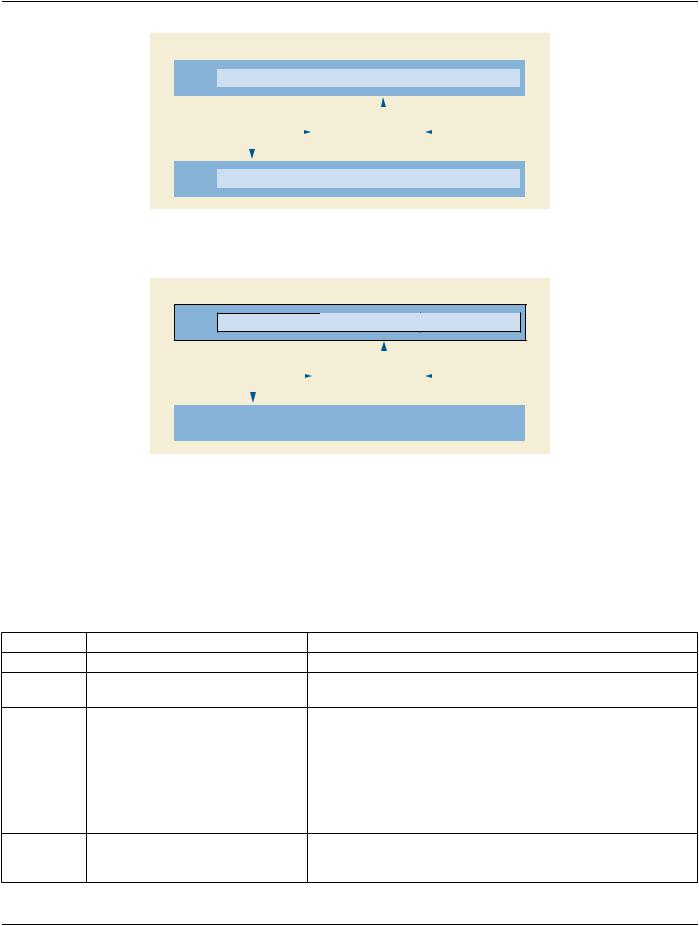
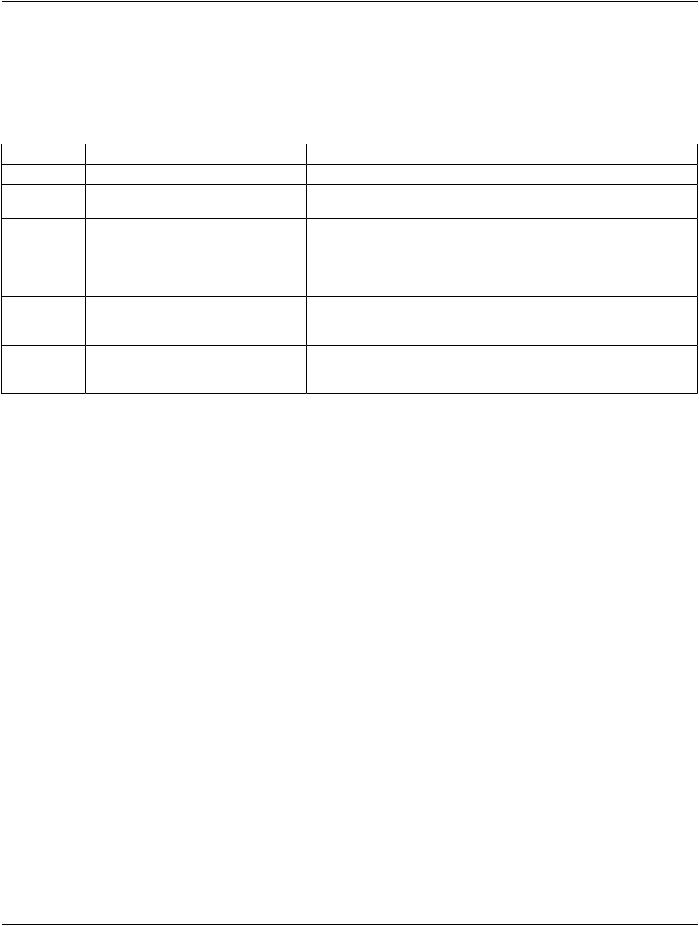
A value of zero indicates that the above parameters are unlimited. If the Asynchronous Operations Window is absent the default for the above parameters shall be equal to one. Figures D.3-5 and D.3-6 illustrate examples of Asynchronous Operations Window nego- tiation.
If this negotiation is not present in the A-ASSOCIATE indication it shall be omitted in the A-ASSOCIATE response.
Note
The case where the Association-requester offers the value of zero (which indicates unlimited operations), the Association- acceptor may return zero (agreeing to unlimited operations) or negotiate the parameter down by conveying a value other than zero.
- Standard -
Page 112 |
|
DICOM PS3.7 2020a - Message Exchange |
|||||||||||||
|
DICOM AE “A” |
|
|
|
|
|
|
|
|
|
|
|
|||
|
|
|
|
|
|
|
|
|
|
|
|
|
|
||
|
|
|
|
|
|
|
|
|
|
|
|
|
|
||
|
|
Asynch. Oper. Window Sub-Item |
|
Max. no. of Oper. DICOM AE "A" |
|
Max. no. of Oper. DICOM AE "A" |
|
||||||||
|
|
|
|
(53H) |
|
|
|
|
may Invoke (3) |
|
|
|
may Perform (2) |
|
|
|
|
|
|
|
|
|
|
|
|
|
|
|
|||
|
|
|
|
|
|
|
|
|
|
|
|
|
|
|
|
|
|
|
|
A-ASSOCIATE-Request |
|
A-ASSOCIATE-Response |
|||||||||
|
|
|
|
|
|||||||||||
|
DICOM AE “B” |
|
( A |
|
B) |
|
|
(B |
|
|
A) |
||||
|
|
|
|
|
|
||||||||||
|
|
|
|
|
|
|
|
|
|
|
|
|
|
||
|
|
|
|
|
|
|
|
|
|
|
|
|
|||
|
|
|
|
|
|
|
|
|
|
|
|
|
|
|
|
|
|
|
|
|
|
|
|
|
|
|
|||||
|
|
Asynch. Oper. Window Sub-Item |
|
Max. no. of Oper. DICOM AE "A" |
|
Max. no. of Oper. DICOM AE "A" |
|
||||||||
|
|
|
|
(53H) |
|
|
|
|
may Invoke (2) |
|
|
|
may Perform (1) |
|
|
|
|
|
|
|
|
|
|
|
|
|
|
|
|
|
|
|
|
|
|
|
|
|
|
|
|
|
|
|
|
|
|
FigureD.3-5.AsynchronousOperationsWindowNegotiation(WindowBeingNegotiatedDownByDICOM
Application Entity "B")
DICOM AE “A”
Asynch. Oper. Window Sub-Item |
Max. no. of Oper. DICOM AE "A" |
(53H) |
may Invoke (3) |
|
|
Max. no. of Oper. DICOM AE "A" may Perform (2)
|
|
A-ASSOCIATE-Request |
|
A-ASSOCIATE-Response |
||||
|
|
|
||||||
DICOM AE “B” |
|
( A |
|
B) |
|
(B |
|
A) |
|
|
|
|
|||||
|
|
|
|
|
|
|
|
|
|
|
|
|
|
|
|
||
|
|
|
|
(No Sub-Item 53H ) |
|
|
|
|
|
|
|
|
|
|
|
|
|
FigureD.3-6.AsynchronousOperationsWindowNegotiation(WindowBeingDefaultedto1,1ByDICOM
Application Entity "B")
D.3.3.3.1 Asynchronous Operations Window Sub-Item Structure (A-ASSOCIATE-RQ)
The Asynchronous Operations Window Sub-Item shall be made of a sequence of mandatory fixed length fields. This Sub-Item is op- tional and if supported, only one Asynchronous Operations Window Sub-Item shall be present in the User Data Item of the A-ASSO- CIATE-RQ. Table D.3-7 shows the sequence of the mandatory fields.
Table D.3-7. Asynchronous Operations Window Sub-Item Fields (A-ASSOCIATE-RQ)
Item Bytes |
Field Name |
Description of Field |
1 |
Item-type |
53H |
2 |
Reserved |
This reserved field shall be sent with a value 00H but not tested to this |
|
|
value when received. |
3 - 4 |
Item-length |
This Item-length shall be the number of bytes from the first byte of the |
|
|
following field to the last byte of the |
|
|
Maximum-number-operations-performedfield.InthecaseofthisSub-Item, |
|
|
it shall have the fixedvalue of 00000004H encoded asan unsigned binary |
|
|
number. |
5 - 6 |
Maximum-number-operations-invoked |
ThisfieldshallcontaintheMaximum-number-operations-invokedasdefined |
|
|
for the Association-requester in Section D.3.3.3. It shall be encoded as an |
|
|
unsigned binary number. |
7-8 |
Maximum-number-operations-performedThis field shall contain the Maximum-number-operations-performed as |
|
|
|
definedfortheAssociation-requesterinSectionD.3.3.3.Itshallbeencoded |
|
|
as an unsigned binary number. |
- Standard -
DICOM PS3.7 2020a - Message Exchange |
Page 113 |
D.3.3.3.2 Asynchronous Operations Window Sub-Item Structure (A-ASSOCIATE-AC)
The Asynchronous Operations Window Sub-Item shall be made of a sequence of mandatory fixed length fields. This Sub-Item is op- tional and if supported, only one Asynchronous Operations Window Sub-Item shall be present in the User Data Item of the A-ASSO- CIATE-AC. Table D.3-8 shows the sequence of the mandatory fields.
Table D.3-8. Asynchronous Operations Window Sub-Item Fields (A-ASSOCIATE-AC)
Item Bytes |
Field Name |
Description of Field |
1 |
Item-type |
53H |
2 |
Reserved |
This reserved field shall be sent with a value 00H but not tested to this |
|
|
value when received. |
3 - 4 |
Item-length |
This Item-length shall be the number of bytes from the first byte of the |
|
|
following field to the last byte of the |
|
|
Maximum-number-operations-performedfield.InthecaseofthisSub-Item, |
|
|
it shall have the fixed value of 00000004H encoded as an unsigned binary |
|
|
number. |
5-6 |
Maximum-number-operations-invoked |
ThisfieldshallcontaintheMaximum-number-operations-invokedasdefined |
|
|
for the Association-acceptor in Section D.3.3.3 It shall be encoded as an |
|
|
unsigned binary number. |
7-8 Maximum-number-operations-performedThis field shall contain the Maximum-number-operations-performed as definedfortheAssociation-acceptorinSectionD.3.3.3.Itshallbeencoded as an unsigned binary number.
D.3.3.4 SCP/SCU Role Selection Negotiation
The SCP/SCU role selection negotiation allows peer AEs to negotiate the roles in which they will serve for each SOP Class or Meta SOP Class supported on the Association. This negotiation is optional.
The Association-requester, for each SOP Class UID or Meta SOP Class UID, may use one SCP/SCU Role Selection item. The SOP Class or Meta SOP Class shall be identified by its corresponding Abstract Syntax Name followed by one of the three role values:
•Association-requester is SCU only
•Association-requester is SCP only
•Association-requester is both SCU and SCP
If the SCP/SCU Role Selection item is absent the default role of the Association-requester shall be SCU and the default role of the Association-acceptor shall be SCP.
The Association-acceptor, for each SCP/SCU Role Selection item offered, either accepts the Association-requester proposal by re- turning the same value (1) or turns down the proposal by returning the value (0). The Association-acceptor shall not return the value
(1)iftheAssociation-requesterhasnotproposedtherole,i.e.,ithassentavalue(0).TheAssociation-requestershallignoretheresponse if it has not proposed the role.
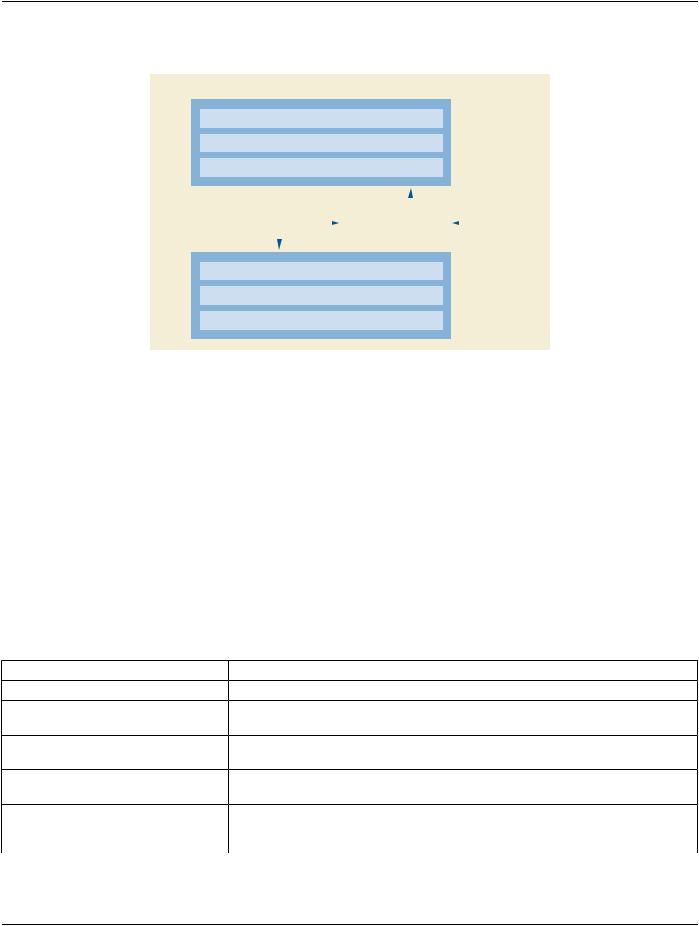
If the SCP/SCU Role Selection item is not returned by the Association-acceptor then the role of the Association-requester shall be SCU and the role of the Association-acceptor shall be SCP. Figure D.3-7 illustrates the SCP/SCU Role Selection negotiation.
IftheSCP/SCURoleSelectionitemsdonotexistintheA-ASSOCIATEindicationtheyshallbeomittedintheA-ASSOCIATEresponse.
Note
1.ThechoicesmadeforthedefaultrolesarebasedonclarificationmadetopreviousversionsoftheStandard.Association- requesters that wish to offer Abstract Syntax Names using the SCP role must support this item. Association-acceptors that wish to accept Abstract Syntax Names using the SCU role must support this item.
2.If an Association-requestor offers an SCP/SCU Role Selection item for an Abstract Syntax Name but the Association- acceptor does not return a SCP/SCU Role Selection item for the same Abstract Syntax Name then the proposed roles
- Standard -
Page 114 |
DICOM PS3.7 2020a - Message Exchange |
have not been accepted and the default roles apply (i.e., Association-requester is SCU and Association-acceptor is SCP).
DICOM AE “A”
|
|
|
|
|
|
|
SCU/SCP Role Sub-Item |
Abs. Syn. Name for |
SCU Role |
SCP Role |
|
|
(54H) |
Storage MR SOP |
(1) |
(1) |
|
|
|
|
|
|
|
|
|
|
|
|
|
|
SCU/SCP Role Sub-Item |
Abs. Syn. Name for |
SCU Role |
SCP Role |
|
|
(54H) |
Storage CT SOP |
(1) |
(1) |
|
|
|
|
|
|
|
|
|
|
|
|
|
|
SCU/SCP Role Sub-Item |
Abs. Syn. Name for |
SCU Role |
SCP Role |
|
|
(54H) |
Basic Print SOP |
(1) |
(0) |
|
|
|
|
|
|
|
|
|
|
|
|
|
|
|
A-ASSOCIATE-Request |
|
A-ASSOCIATE-Response |
|||||||
|
|
|
|||||||||
DICOM AE “B” |
( A |
|
B) |
|
|
|
(B |
|
|
A) |
|
|
|
|
|
|
|||||||
|
|
|
|
|
|
|
|
|
|
||
|
|
|
|
|
|
|
|
|
|
||
|
|
|
|
|
|
|
|
|
|
|
|
|
|
|
|
|
|
|
|
|
|
|
|
|
SCU/SCP Role Sub-Item |
Abs. Syn. Name for |
SCU Role |
SCP Role |
|
|
|
|
|||
|
(54H) |
Storage MR SOP (1) |
(1) |
(0) |
|
|
|
|
|||
|
|
|
|
|
|
|
|
|
|
|
|
|
|
|
|
|
|
|
|
|
|
||
|
SCU/SCP Role Sub-Item |
Abs. Syn. Name for |
SCU Role |
SCP Role |
|
|
|
|
|||
|
(54H) |
Storage CT SOP (3) |
(1) |
(1) |
|
|
|
|
|||
|
|
|
|
|
|
|
|
|
|
|
|
|
|
|
|
|
|
|
|
|
|
||
|
SCU/SCP Role Sub-Item |
Abs. Syn. Name for |
SCU Role |
SCP Role |
|
|
|
|
|||
|
(54H) |
Basic Print SOP (5) |
(1) |
(0) |
|
|
|
|
|||
|
|
|
|
|
|
|
|
|
|
|
|
|
|
|
|
|
|
|
|
|
|
|
|
Figure D.3-7. SCU/SCP Role Negotiation
Note
1.DICOM AE "B" accepts DICOM AE "A"'s proposed role as an SCU for the Storage-MR SOP; therefore, DICOM AE "B" will perform in the SCP role. DICOM AE "B" turns down the SCP proposal from DICOM AE "A".
2.Both DICOM AEs may be SCU and SCP for the Storage-CT SOP.
3.DICOM AE "B" accepts DICOM AE "A"'s proposed role as an SCU for the Print-SOP; therefore, DICOM AE "B" will perform in the SCP role.
D.3.3.4.1 SCP/SCU Role Selection Sub-Item Structure (A-ASSOCIATE-RQ)
The SCP/SCU Role Selection Sub-Item shall be made of a sequence of mandatory fields. This Sub-Item is optional and if supported, one or more SCP/SCU Role Selection Sub-Items may be present in the User Data Item of the A-ASSOCIATE-RQ. The Association- requester may only offer one SOP Class SCP/SCU Role Selection Sub-Item for each SOP Class UID or Meta SOP Class that is present in the A-ASSOCIATE request. Table D.3-9 shows the sequence of the mandatory fields.
Table D.3-9. SCP/SCU Role Selection Sub-Item Fields (A-ASSOCIATE-RQ)
Item Bytes |
Field Name |
Description of Field |
1 |
Item-type |
54H |
2 |
Reserved |
This reserved field shall be sent with a value 00H but not tested to this value when |
|
|
received. |
3 - 4 |
Item-length |
This Item-length shall be the number of bytes from the first byte of the following field to |
|
|
the last byte of the SCP Role field. It shall be encoded as an unsigned binary number. |
5-6 |
UID-length |
This UID-length shall be the number of bytes from the first byte of the following field to |
|
|
thelastbyteoftheSOP-class-uidfield.Itshallbeencodedasanunsignedbinarynumber. |
7 -xxx |
SOP-class-uid |
This variable field shall contain the SOP Class UID or Meta SOP Class UID that may be |
|
|
used to identify the corresponding Abstract Syntax for which this Sub-Item pertains. It |
|
|
shall be encoded as a UID as defined in PS3.5. |
- Standard -

|
|
DICOM PS3.7 2020a - Message Exchange |
Page 115 |
|
Item Bytes |
Field Name |
|
Description of Field |
|
xxx |
SCU-role |
This byte field shall contain the SCU-role as defined for the Association-requester in |
||
|
|
Section D.3.3.4. It shall be encoded as an unsigned binary and shall use one of the |
||
|
|
following values: |
|
|
|
|
0 |
- non support of the SCU role |
|
|
|
1 |
- support of the SCU role |
|
xxx |
SCP-role |
This byte field shall contain the SCP-role as defined for the Association-requester in |
||
|
|
Section D.3.3.4. It shall be encoded as an unsigned binary and shall use one of the |
||
|
|
following values: |
|
|
|
|
0 |
- non support of the SCP role |
|
|
|
1 |
- support of the SCP role. |
|
D.3.3.4.2 SCP/SCU Role Selection Sub-Item Structure (A-ASSOCIATE-AC)
The SCP/SCU Role Selection Sub-Item shall be made of a sequence of mandatory fields. This Sub-Item is optional and if supported, one or more SCP/SCU Role Selection Sub-Items may be present in the User Data Item of the A-ASSOCIATE-AC. Table D.3-10 shows the sequence of the mandatory fields.
Table D.3-10. SCP/SCU Role Selection Sub-Item Fields (A-ASSOCIATE-AC)
Item Bytes |
Field Name |
Description of Field |
1 |
Item-type |
54H |
2 |
Reserved |
This reserved field shall be sent with a value 00H but not tested to this value when received. |
3-4 |
Item-length |
This Item-length shall be the number of bytes from the first byte of the following field to the |
|
|
last byte of the SCP Role field. It shall be encoded as an unsigned binary number. |
5-6 |
UID-length |
This UID-length shall be the number of bytes from the first byte of the following field to the |
|
|
last byte of the SOP-class-uid field. It shall be encoded as an unsigned binary number. |
7-xxx |
SOP-class-uid |
This variable field shall contain the SOP Class UID or Meta SOP Class UID that may be |
|
|
used to identify the corresponding Abstract Syntax for which this Sub-Item pertains. It shall |
|
|
be encoded as a UID as defined in PS3.5. |
xxx |
SCU-role |
This byte field shall contain the SCU-role as defined in Section D.3.3.4. It shall be encoded |
|
|
as an unsigned binary and shall use one of the following values: |
|
|
0 - The Association-acceptor rejects the Association-requester's proposal of the SCU role |
|
|
selection |
|
|
1 - The Association-acceptor accepts the Association-requester's proposal of the SCU role |
|
|
selection |
xxx |
SCP-role |
This byte field shall contain the SCP-role as defined for the Association-acceptor in |
|
|
SectionD.3.3.4.Itshallbeencodedasanunsignedbinaryandshalluseoneofthefollowing |
|
|
values: |
|
|
0 - The Association-acceptor rejects the Association-requester's proposal of the SCP role |
|
|
selection |
|
|
1 - The Association-acceptor accepts the Association-requester's proposal of the SCP role |
|
|
selection |
D.3.3.5 Service-Object Pair (SOP) Class Extended Negotiation
The SOP Class Extended Negotiation allows, at Association establishment, peer DICOM AEs to exchange application information defined by specific Service Class specifications. This is an optional feature that various Service Classes may or may not choose to support.
- Standard -